What Is an 11-Month Warranty Inspection and Why Is It So Important?
- Daniel Tinsley
- May 28
- 4 min read

Buying a newly built home can feel like the safest option. Everything is new, clean, updated, and built to current standards. But new does not always mean perfect.
Even brand-new homes can have defects, incomplete work, installation issues, drainage concerns, or system problems that do not become obvious until after you have lived in the home for several months. That is where an 11-month warranty inspection becomes extremely valuable.
An 11-month warranty inspection is a professional home inspection performed before the builder’s typical one-year warranty expires. The goal is to identify visible and accessible defects while there is still time to report them to the builder for possible warranty repair. This inspection is a non-invasive review of the visible condition of the interior, exterior, and major systems, followed by a photo report that can help homeowners address concerns before the warranty ends.
Why Is It Called an 11-Month Warranty Inspection?
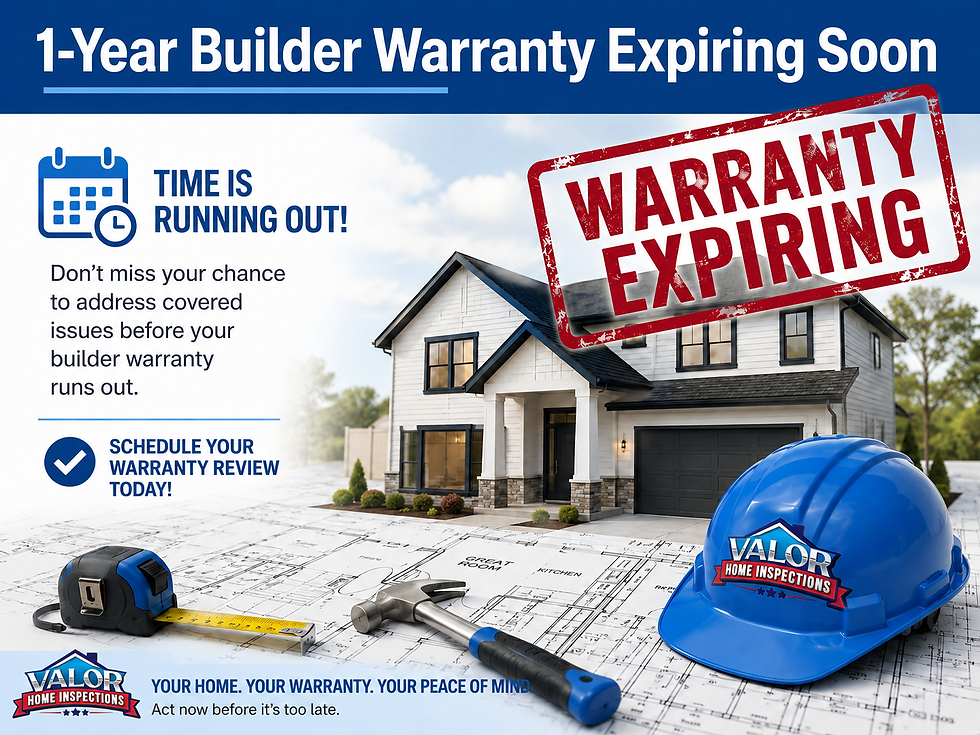
Many new construction homes come with a builder warranty that covers certain defects in workmanship, materials, or installation for a limited period, often around the first year. The inspection is commonly scheduled around month 10 or 11 so the home has had time to settle, operate through normal use, and reveal issues before the warranty period expires.
Delaying until the 12-month mark can be risky because the builder might not be liable for certain repairs after the warranty period expires. Conducting the inspection sooner allows you to obtain the report, evaluate the findings, submit the necessary documentation, and request warranty service if needed.
New Homes Can Still Have Problems
A common mistake homeowners make is assuming a new home does not need to be inspected. But new construction involves many trades, materials, deadlines, weather conditions, subcontractors, and inspections along the way. Even when everyone involved is doing their best, issues can still be missed.
An 11-month warranty inspection may identify visible concerns such as:
Roof or flashing defects
Grading and drainage issues
Cracks in drywall, foundation, or flatwork
Plumbing leaks
HVAC performance concerns
Electrical safety issues
Missing insulation
Attic ventilation concerns
Window or door operation issues
Exterior caulking or siding concerns
Deck, porch, stair, or railing defects
Water intrusion signs
Incomplete repairs or finish work
Nail Pops
Some of these issues may be minor. Others may become expensive if they are ignored.
Why the Timing Matters
The timing is what makes this inspection so important. During the first year, the home is being used in real-life conditions. Heating and cooling systems are running. Plumbing fixtures are being used. Roof and exterior components are exposed to rain, wind, snow, heat, and temperature changes. Soil around the foundation may settle. Drainage patterns may become more obvious.
By the 11-month point, the home has usually had enough time to show defects that were not visible during a final walkthrough or pre-closing inspection. The inspection gives you a documented list of visible concerns before the warranty clock runs out.
What Does an 11-Month Warranty Inspection Include?
An 11-month warranty inspection is similar to a standard home inspection. It focuses on the visible and accessible condition of the home’s major systems and components.
At Valor Home Inspections, this may include areas such as:
Roof and Attic: Roof coverings, visible flashing, roof penetrations, attic ventilation, signs of leaks, and accessible attic conditions.
Exterior Components: Siding, trim, windows, doors, grading, drainage, gutters, downspouts, decks, porches, stairs, and railings.
Foundation, Basement, and/or Crawlspace: Visible foundation conditions, cracks, moisture concerns, ventilation, insulation, and accessible structural components.
Electrical System: Electrical panel, outlets, fixtures, GFCI protection, visible wiring concerns, and safety-related defects.
Plumbing System: Fixtures, drains, visible supply lines, water heater, leaks, and accessible plumbing components.
Heating and Cooling Systems: Visible HVAC equipment, operation when safe and appropriate, condensate drainage, airflow concerns, and age or installation-related issues.
Interior Components: Walls, ceilings, floors, doors, windows, stairs, railings, and signs of movement, moisture, or defects.
The Report Gives You Leverage
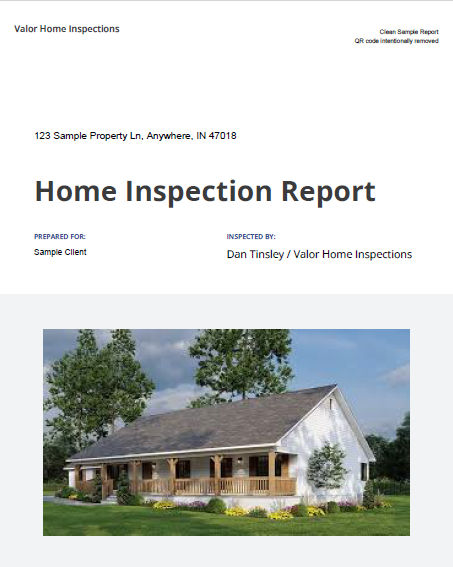
One of the biggest benefits of an 11-month warranty inspection is documentation. Instead of simply telling the builder, “Something seems wrong,” you can provide a professional inspection report with photos, descriptions, and organized findings. This helps create a clearer warranty request and gives the builder a more specific list of items to review.
The inspection report does not guarantee what the builder will cover, because warranty coverage depends on your builder’s warranty terms. But it gives you a stronger, clearer starting point.
It Can Save You Money After the Warranty Ends
Once the warranty expires, repairs that may have been covered could become your responsibility. A small leak, missing flashing detail, poor drainage condition, or HVAC concern may not seem urgent at first, but these issues can become costly over time.
An 11-month warranty inspection helps you catch concerns before you are paying out of pocket for problems that may have started during construction or early occupancy.
It Also Helps You Understand Your New Home
This inspection is not only about defects. It is also an opportunity to better understand how your home is performing after nearly a year of use.
You may learn:
Which areas need maintenance
Which items should be monitored
Where moisture or drainage issues may be developing
Whether systems are operating as expected
What concerns should be reviewed by a specialist
What items should be submitted to the builder before the warranty expires
For many homeowners, this brings peace of mind.
Do Not Wait Until the Last Minute
The best time to schedule an 11-month warranty inspection is before the warranty deadline is too close. Month 9 or mid month 10 is usually a smart window because it allows time for scheduling, inspection, report delivery, builder submission, and follow-up.
If you wait until the final days of your warranty period, you may not have enough time to properly document and submit concerns.
Schedule an 11-Month Warranty Inspection in Kentucky or Indiana
Your new home is a major investment. Before your builder warranty expires, make sure you have a clear understanding of the home’s visible condition.
Valor Home Inspections provides professional 11-month warranty inspections in Kentucky and Indiana with clear reports, practical construction insight, and honest communication.
Schedule your 11-month warranty inspection today and protect your investment before the builder warranty runs out.

Comments